Jan Švec | honzas.cz
Menu

I work at the intersection of AI, speech technologies, language, and real-world systems.

At the Faculty of Applied Sciences, University of West Bohemia in Pilsen, I research and teach applied AI, speech and language technologies, LLMs, RAG, agentic AI workflows, and digital humanities. I also serve as the faculty representative for artificial intelligence.

At the National Final of the Czech AI Olympiad

June 22, 2026

AI education becomes tangible when secondary-school students can develop their own solutions and defend them in front of an expert jury. The national final of the Czech AI Olympiad brought this energy to the Faculty of Applied Sciences in Plzeň on 22 June 2026. As an AI ambassador, I guided accompanying teachers around the faculty, gave them a lecture on AI in education and later joined the Public Administration jury.
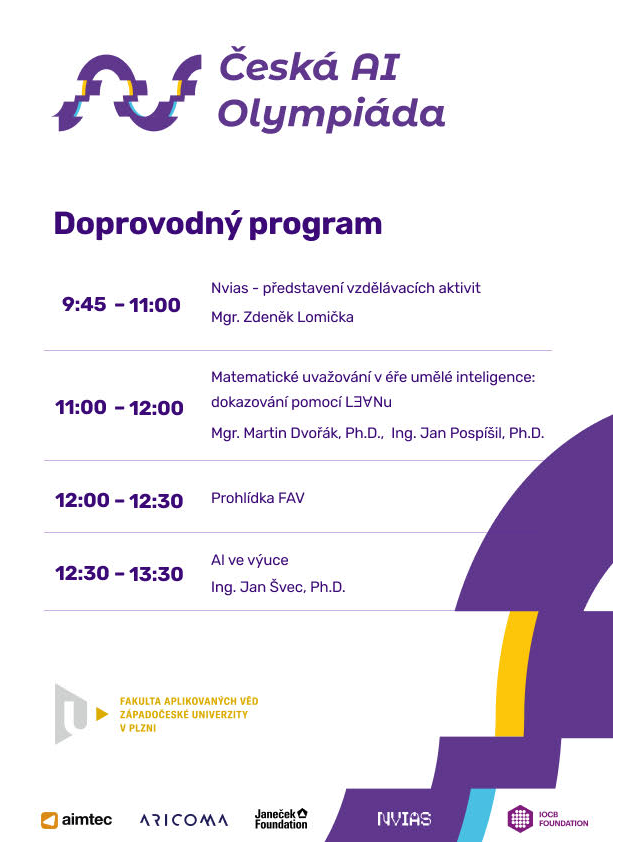
Programme for accompanying teachers at the Czech AI Olympiad national final

An Unforgettable Memory Day at Vinohrady with DigiDiaDem

June 18, 2026

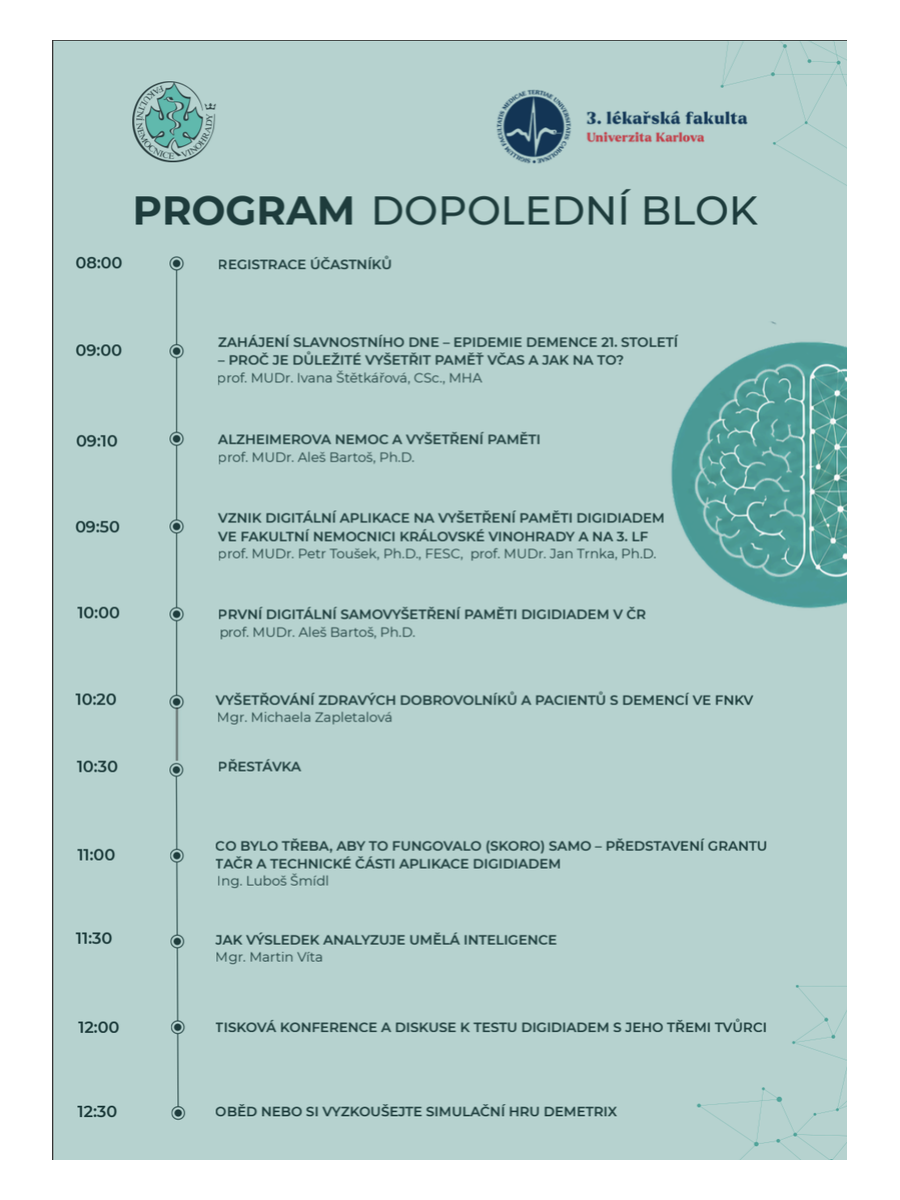
Concern about memory can begin a long search for someone who will connect individual examinations and recommend the right next step. At Nezapomenutelný den paměti na Vinohradech, the DigiDiaDem team used an anonymised story resembling the Czech tale of the Little Hen and the Little Rooster to show how fragmented that journey can become. The case also demonstrated how a short digital prescreening can complement a standard assessment without replacing a clinical diagnosis.

Morning programme of Nezapomenutelný den paměti na Vinohradech with its schedule

Forecasting cross-border power transit: a bachelor thesis developed with ČEPS

June 16, 2026

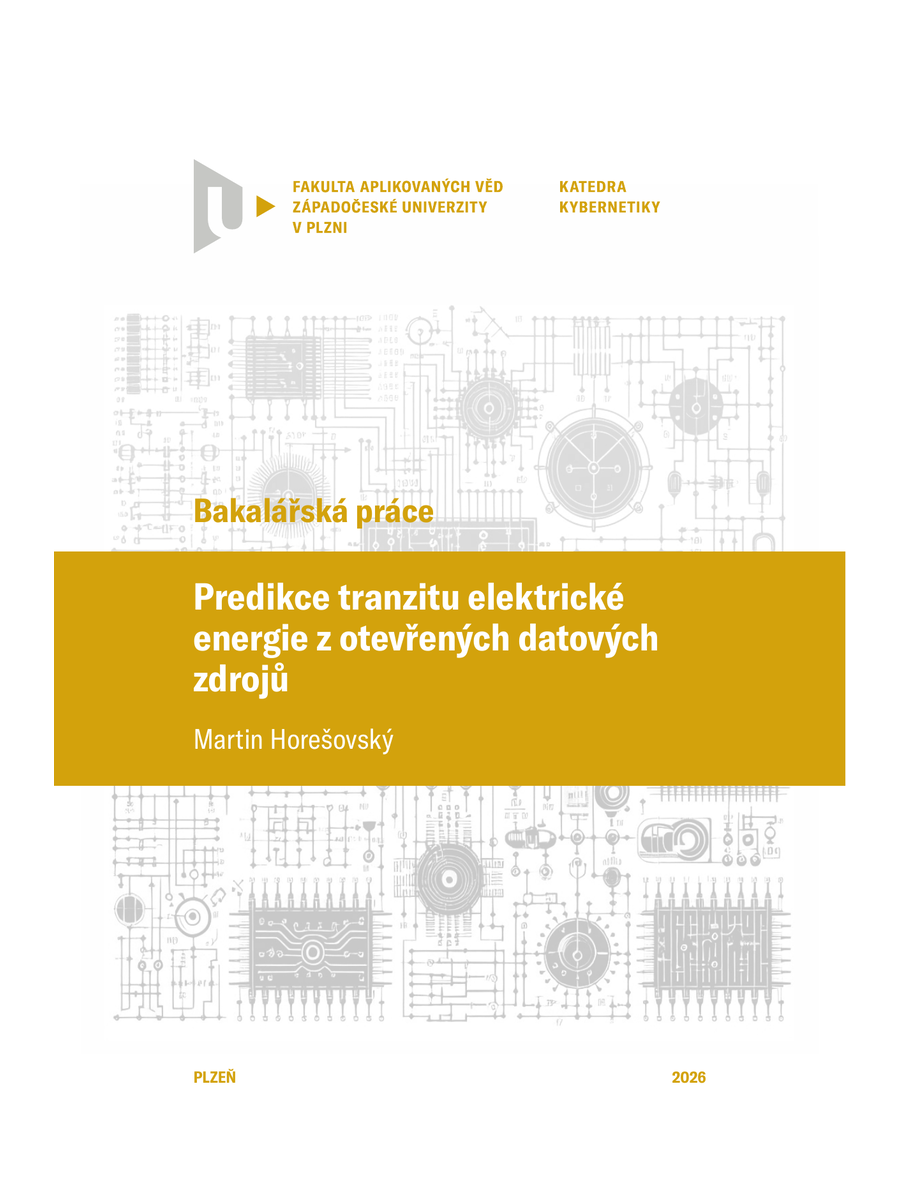
Energy systems offer student projects a demanding combination of physical processes, changing conditions and large public datasets. I supervised Martin Horešovský's bachelor thesis on forecasting cross-border electricity transit, developed with external consultant Petr Souček from ČEPS. Martin defended the thesis with the highest grade on 16 June 2026, after taking first place in the bachelor section of the Faculty of Applied Sciences Student Conference.

Portrait preview of the first page of Martin Horešovský's bachelor thesis

Do not buy AI, download it. But clean up your data first.

June 10, 2026

Open models have made artificial intelligence more accessible, but useful deployment still depends on data, integration and honest evaluation. It was a pleasure to bring this practical perspective to the general public at Inovujeme Plzeň 2026 Next Level and to appear alongside such a strong group of speakers. I thank SIT Port for the organisation and for creating a lively workshop setting at TechTower.

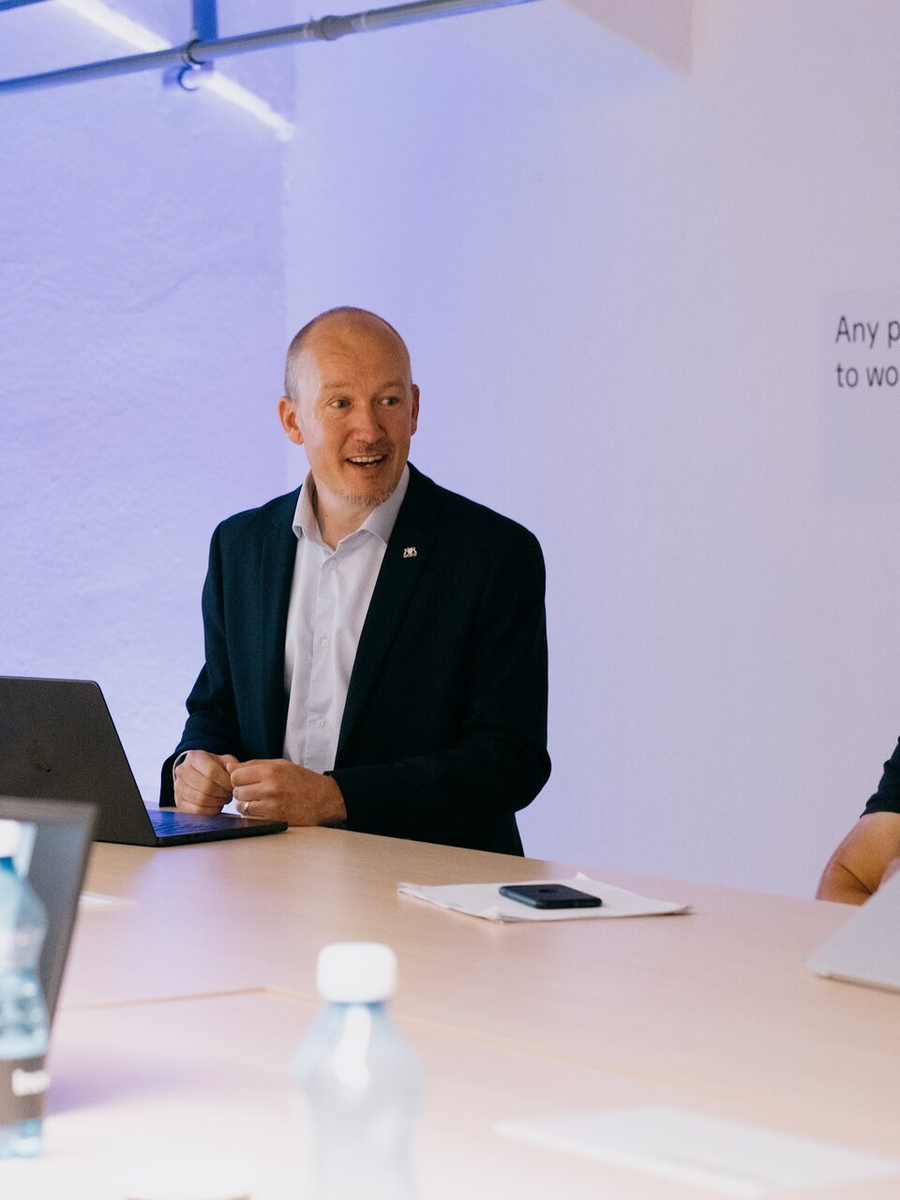
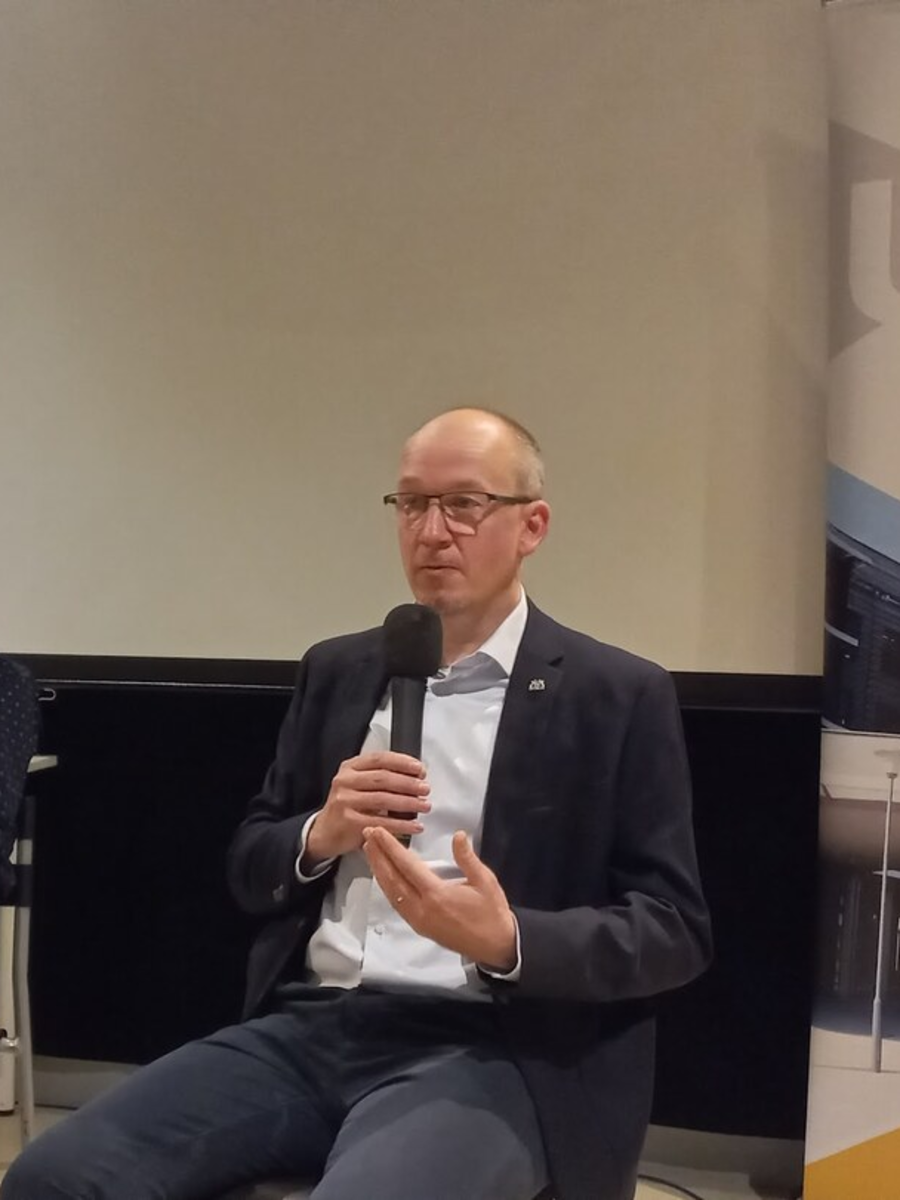
Jan Švec speaking to workshop participants at TechTower

LLM-Based Metadata Extraction from NATO Scanned Documents

June 2, 2026

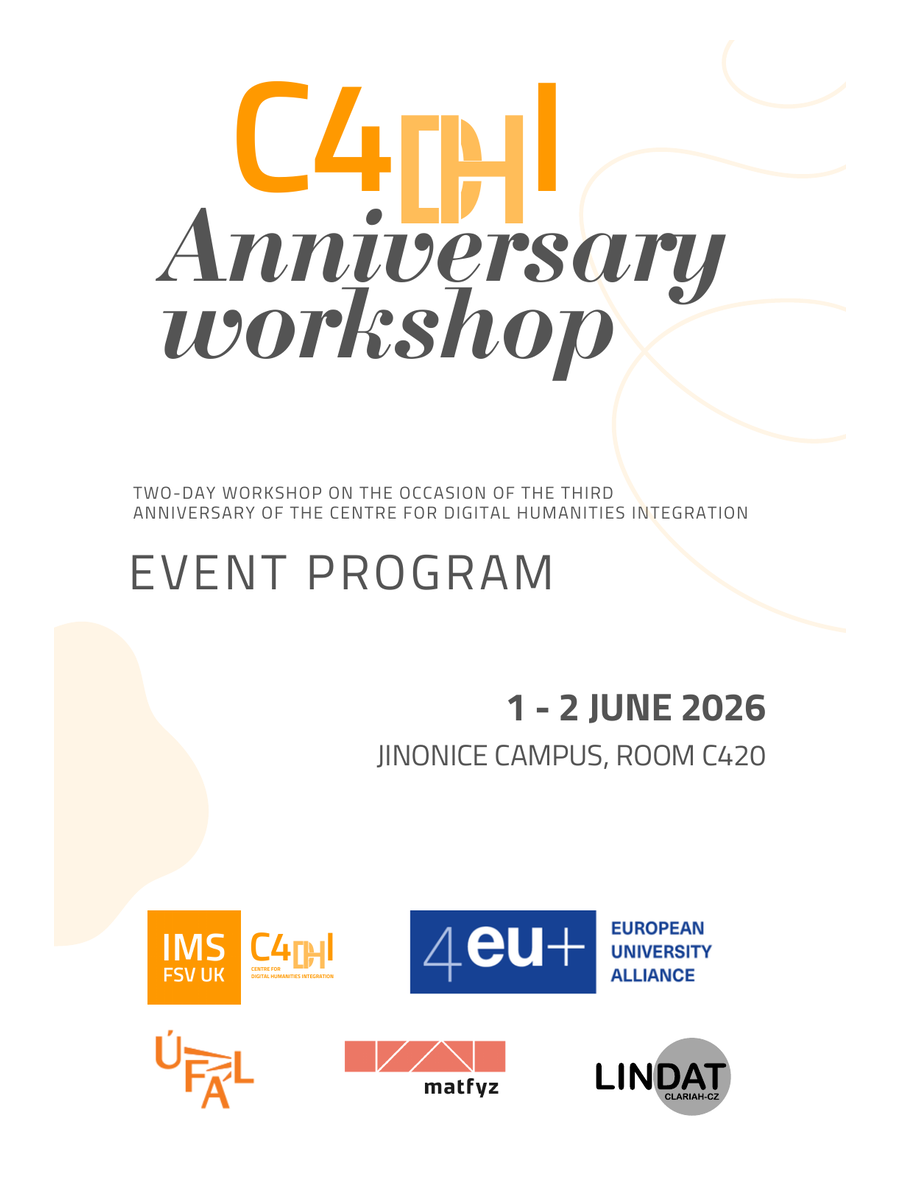
Historical archives contain valuable evidence, but scanned documents are difficult to search when their metadata is incomplete or inconsistent. At the C4DHI Anniversary Workshop, I presented a workflow that uses large language models to extract structured metadata from scanned NATO archival documents. The talk focused on noisy OCR, multilingual records and the need to preserve evidence for human review.

Portrait preview of the C4DHI workshop programme

AI in education, companies and biotechnology

27-28 April 2026

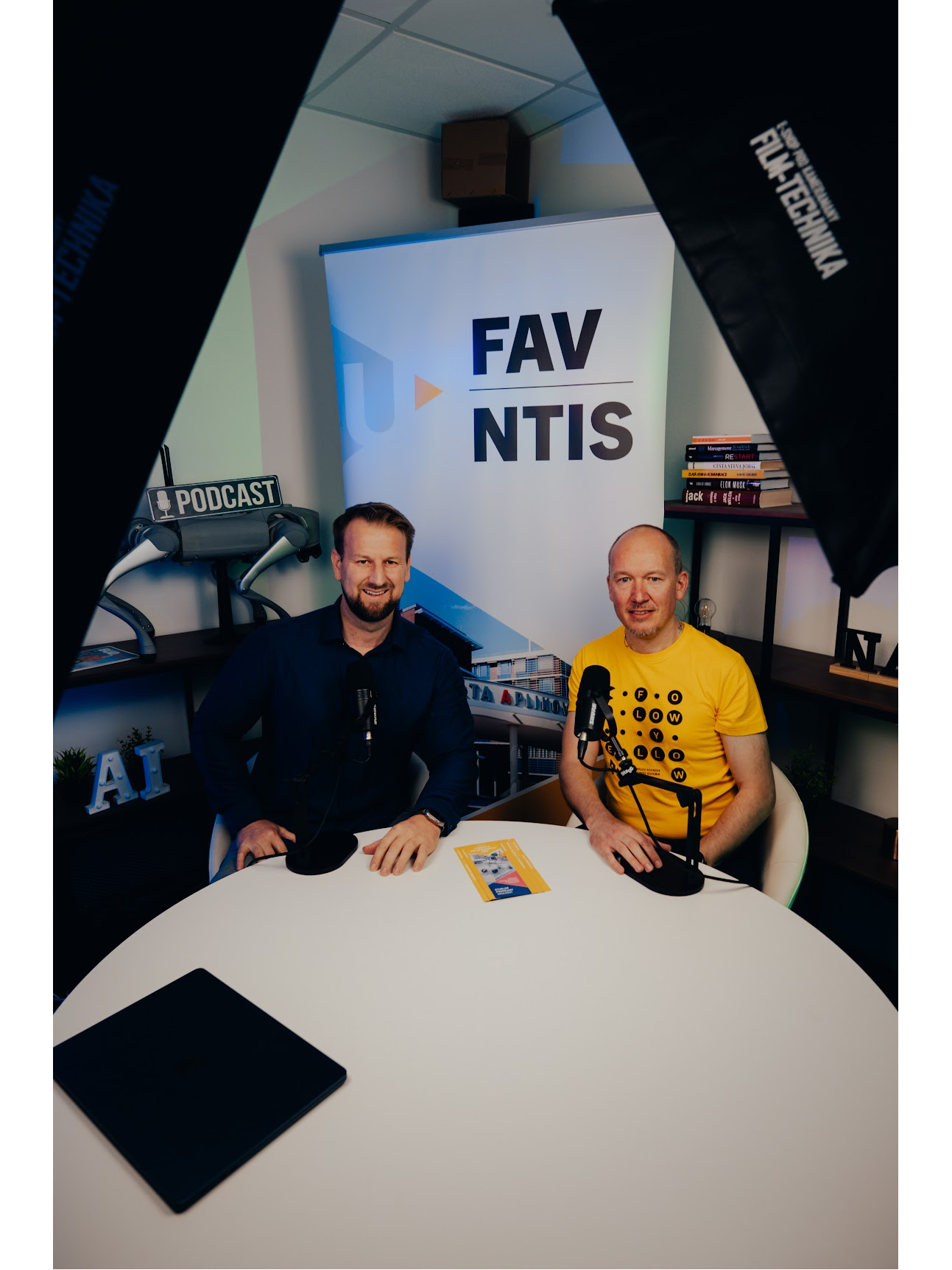
Artificial intelligence is moving into education, engineering and biotechnology, but each field asks different questions about usefulness and responsibility. In the Naučíme AI podcast, I discussed how people can work with AI without reducing the subject to a single chatbot. The conversation connects university teaching, company adoption and interdisciplinary research through practical examples.

Portrait photograph of Jan Švec and Jakub Baxa recording the Naučíme AI podcast

Agentic AI for Digital Humanities

26 April - 12 May 2026

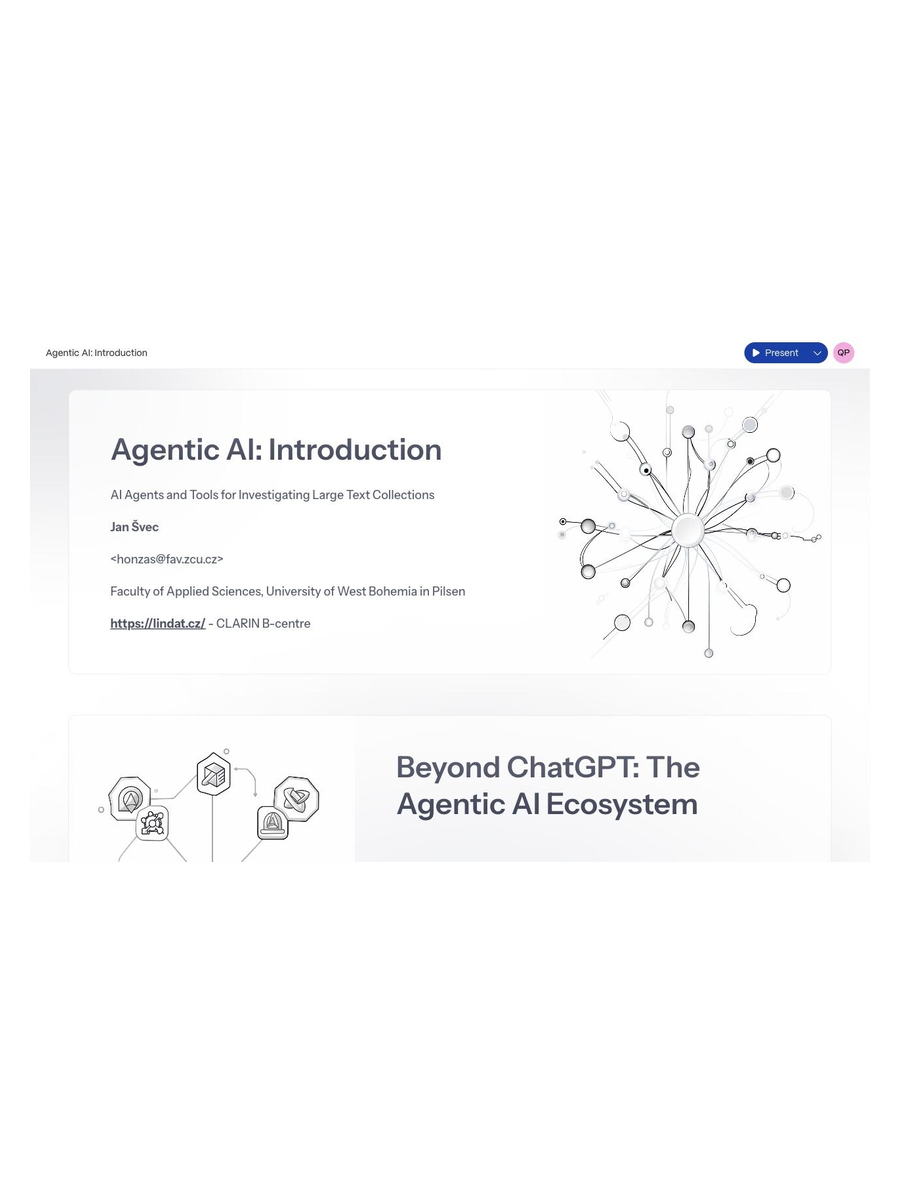
Complex research tasks do not fit into a single prompt: they need tools, intermediate checks and an inspectable sequence of steps. These workshop materials introduce agentic AI as a workflow for digital humanities and archival research. They connect an Oxford research stay, CLARIN collaboration and practical work with NATO archival documents.

Portrait preview of the Agentic AI Introduction slides

Transforming Education of Internet Technologies Through Generative AI and Industry Cooperation

April 23, 2026

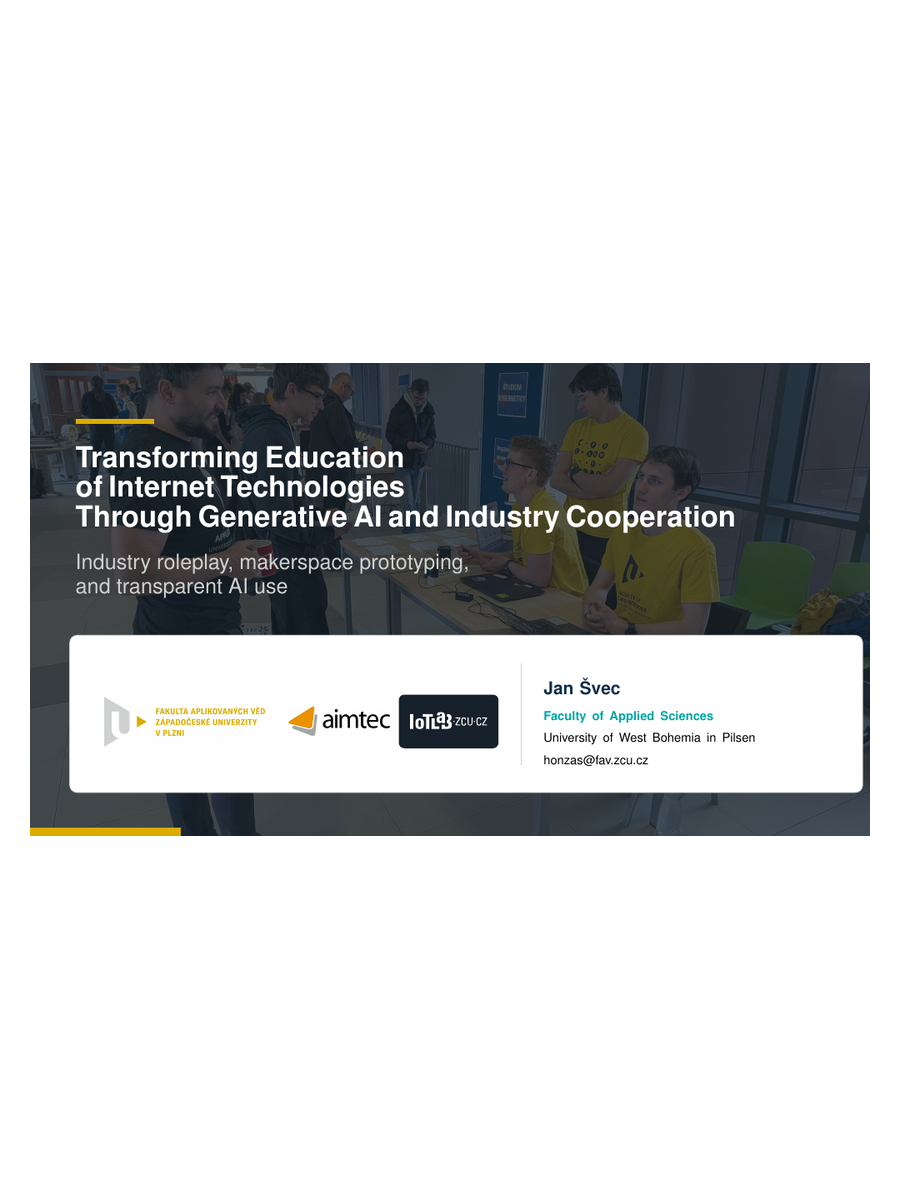
Students need opportunities to use generative AI inside complete engineering projects where technical decisions remain visible and defensible. At the Trinational Round Table on Artificial Intelligence on 23 April 2026, I presented our Internet Technologies course built around cooperation with Aimtec, makerspace prototyping and transparent AI use. The talk connected AI-supported teaching materials, student-built IoT systems and individual verification that each student understands the submitted solution.

Portrait composition of slides about generative AI in the Internet Technologies course

Judging the Škrábej, kotě! Competition

April 17, 2026

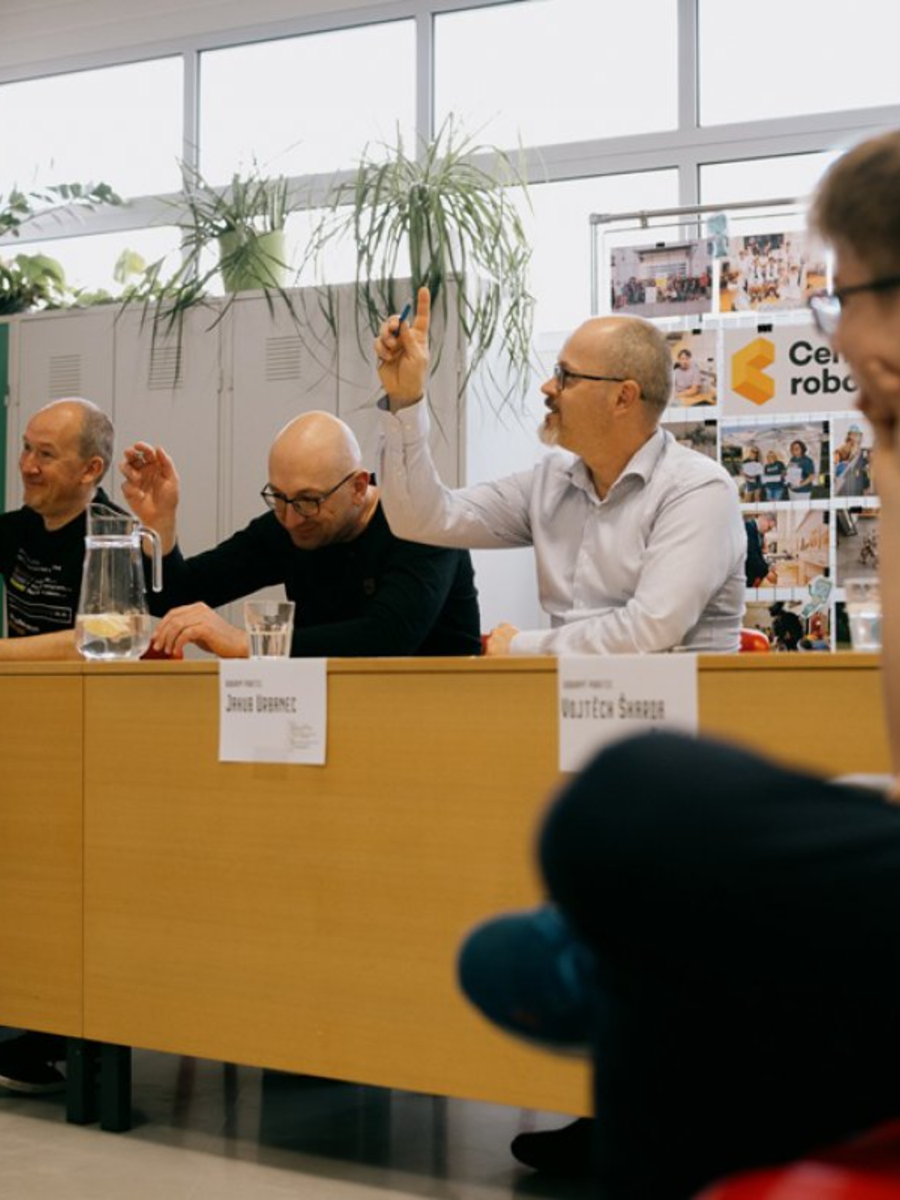
Programming competitions give children a reason to explain how an idea became a working project. At the final of the eighth Škrábej, kotě! competition at Centrum robotiky in Plzeň, I served on the jury and enjoyed listening to girls and boys talk about their first steps in programming. I am curious whether I will meet some of them again one day at AimtecHackathon.

Prizes and the Škrábej, kotě! competition sign at Centrum robotiky in Plzeň

Context-aware synthetic promoter design using neural networks enables rewiring of eukaryotic transcriptional networks

March 17, 2026

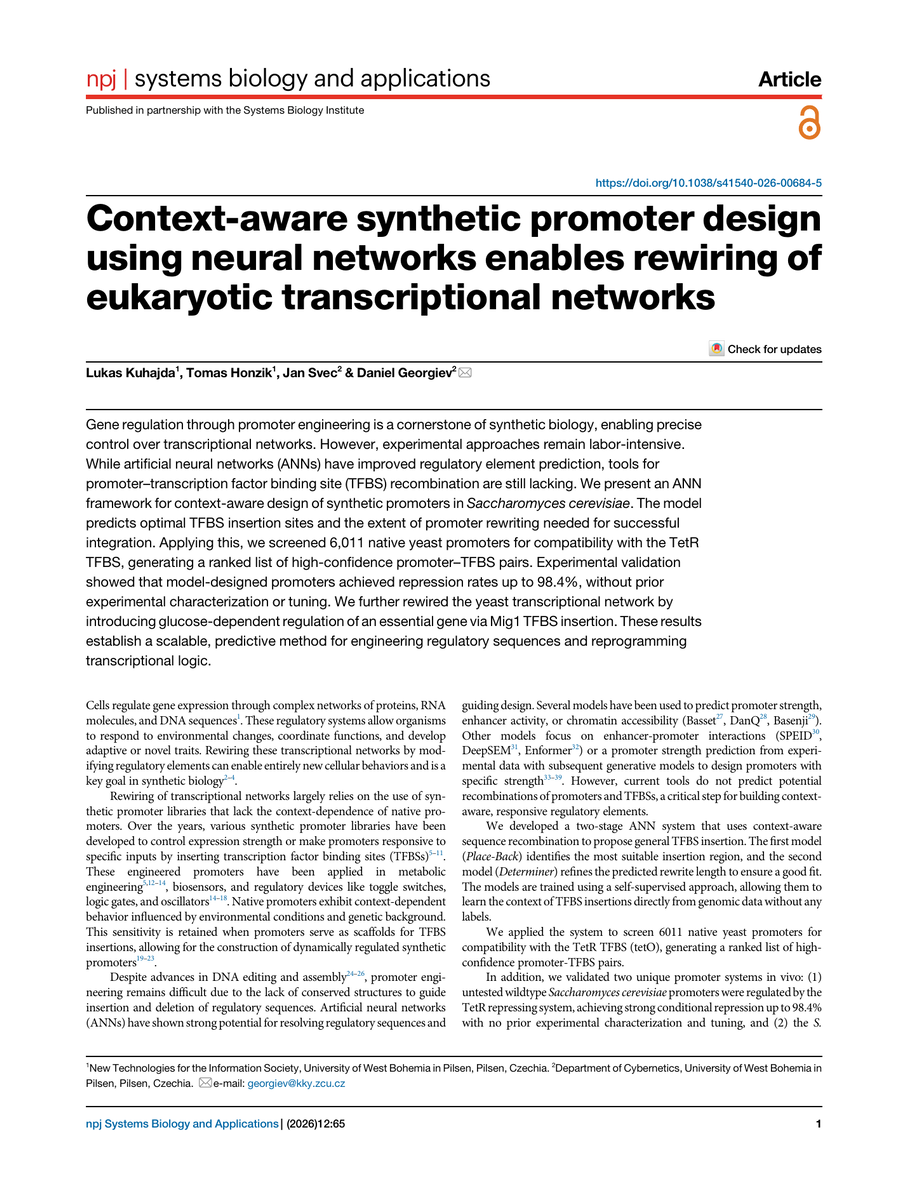
Synthetic biology needs better ways to design regulatory DNA while reducing the number of laboratory experiments. Our article in npj Systems Biology and Applications uses neural networks to find context-aware locations for inserting transcription-factor binding sites into promoters. The result connects machine-learning model design with biological constraints and experimental validation.

Portrait preview of the first page of the synthetic promoter paper

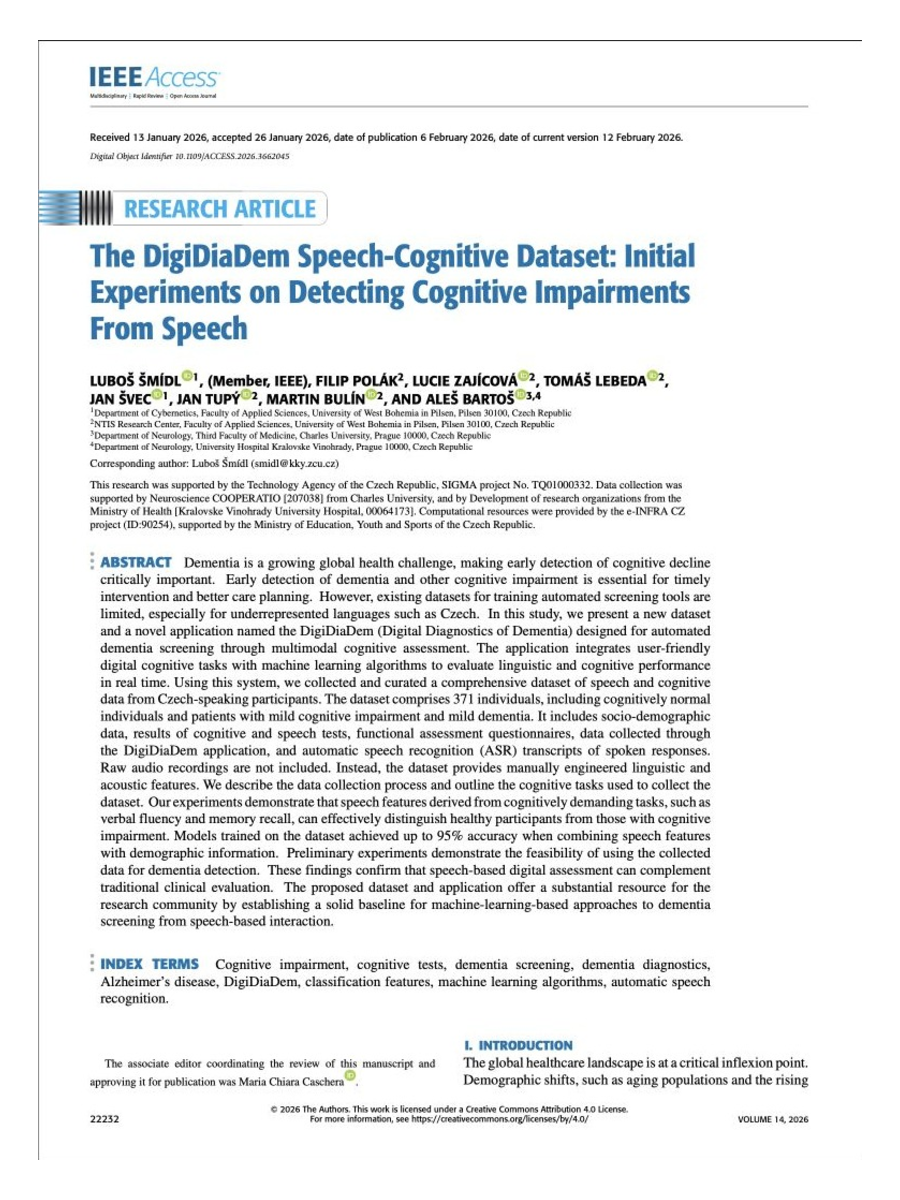
The DigiDiaDem Speech-Cognitive Dataset: Initial Experiments on Detecting Cognitive Impairments From Speech

February 6, 2026

Speech-based research into cognitive impairment needs datasets that connect carefully designed tasks, clinical context and reproducible evaluation. Our IEEE Access article introduces the DigiDiaDem Speech-Cognitive Dataset and the first experiments built on it. The work links dialogue-system design, speech recognition, data preparation and machine-learning evaluation within one research workflow.

Portrait preview of the first page of the DigiDiaDem dataset paper

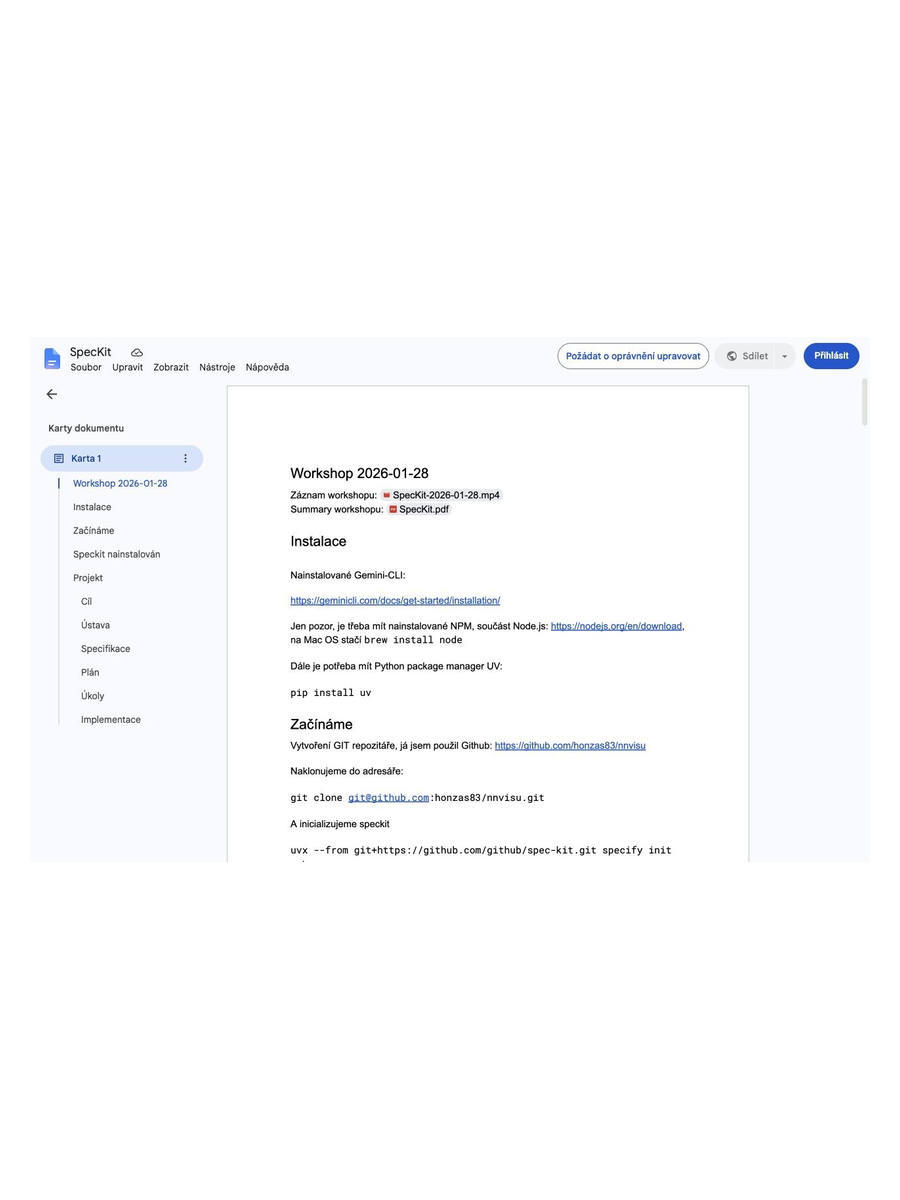
SpecKit: structured AI-assisted software development

January 28, 2026

AI coding assistants can produce code quickly, but speed does not replace clear requirements and architecture. SpecKit turns an initial idea into a specification, an implementation plan and a visible set of tasks. The workshop shows how this structure helps keep research prototypes and applied software understandable while they evolve.

Portrait preview of the SpecKit workshop material

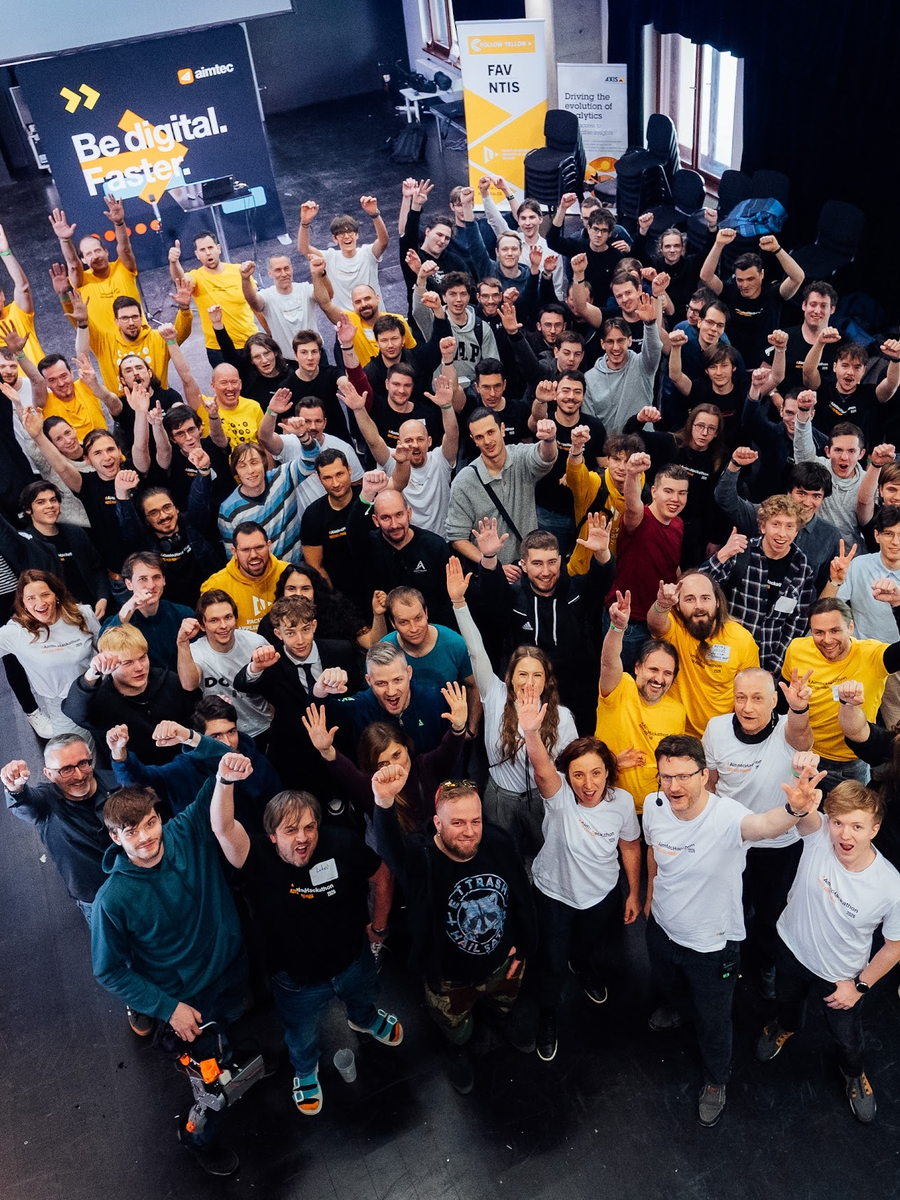
Mentoring at the 10th AimtecHackathon

2026

Hackathons give teams a concentrated space to turn ideas into working prototypes with support from experienced mentors. At the 10th AimtecHackathon in 2026, I again mentored teams working with AI, LLMs, local models, speech recognition and synthesis, language technologies, and Python. The weekend also highlighted the sustained work of Petra Šteklová, Jiří Dobrý, and the Aimtec team in supporting Plzeň's hacker community.

Portrait photograph from AimtecHackathon 2026 showing teams at work as the hackathon timer reaches zero

Internet Technologies with generative AI, hardware prototypes and an industry customer

December 15, 2025

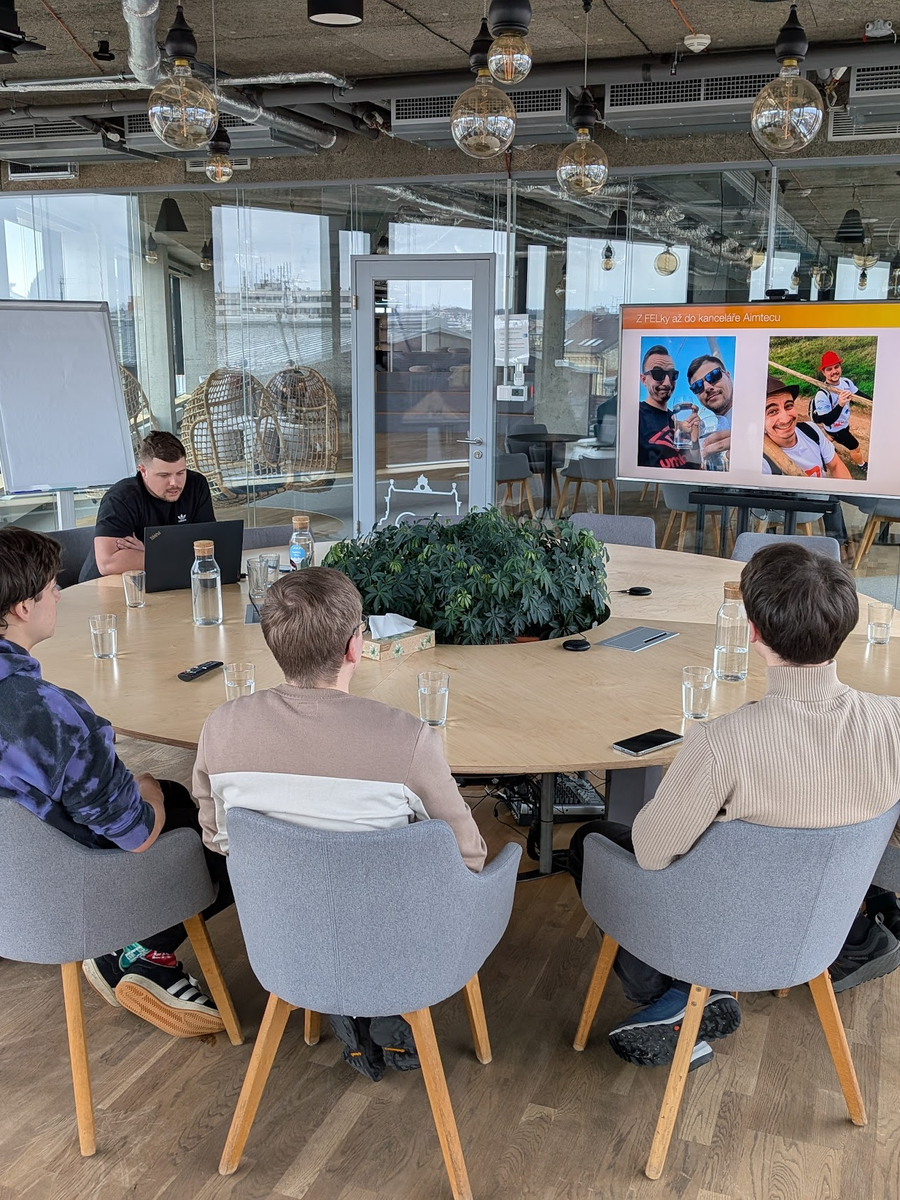
Internet technologies become easier to understand when students have to connect sensors, backend services and a customer-facing interface into one working system. In the 2025/2026 winter semester, five teams in our Internet Technologies course developed warehouse-monitoring prototypes with an API and project requirements prepared by Aimtec. Generative AI supported both the student projects and our teaching materials, with transparent reporting of the tools used and an individual defence of each submitted solution.

Portrait preview showing students from the Internet Technologies course during their visit to Aimtec

The Czech Republic in the Age of AI: Should We Be Afraid?

December 3, 2025

Public discussion about AI helps separate practical changes from predictions and gives education, work and responsibility a shared frame. On 3 December 2025, I joined the Debate with Respekt at Moving Station in Pilsen with Marek Ruttner and Dominika Perlínová. The later Respekt podcast preserves the conversation about large language models, changes in human activity and possible directions of AI development.

FAV NTIS logo extracted from the event photograph

Teaching in the age of AI: what works and where the limits are

September 1, 2025

Generative AI can turn a lecture into additional learning support, help students practise and give teachers another perspective on their own materials. At AI Monday Pilsen #7 on 1 September 2025, I presented my workflow from a recording and UWebASR transcript to a chronological summary, topics discussed beyond the slides, a glossary and an experimental Custom GPT. The talk also covered practical limitations: input quality, human review, privacy protection and limited feedback about how students use the chatbot.

Portrait preview of the title slide for a presentation about AI in university teaching